Introduction
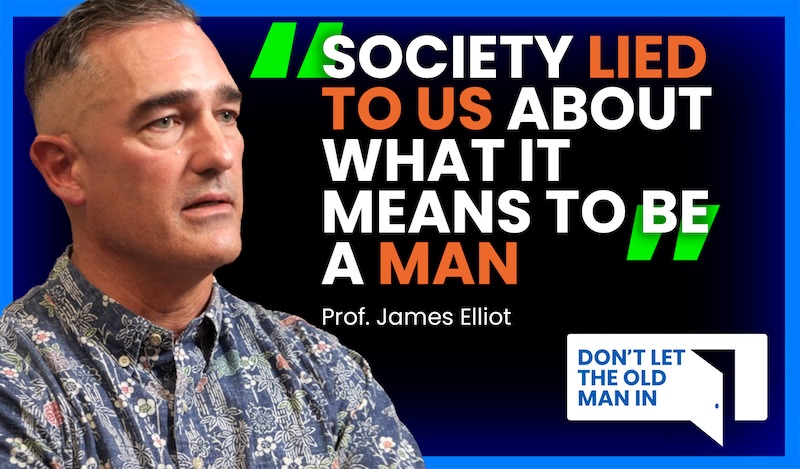
Childhood sexual abuse affects one in six men — and most carry that secret for decades. Professor James Elliott carried his for over 40 years. A former professional baseball player, world-leading pain researcher, Director of the Kolling Institute, and NASA consultant, James built a life of extraordinary achievement. But beneath it all, a boy was still running. In this raw and courageous conversation, James opens up about trauma, disclosure, the long road to healing, and what it really means to become a man.
Why this conversation matters
James Elliott’s story sits at a crossing point that most of us don’t talk about: the relationship between what happened to us in childhood and the men we become. He spent decades achieving at the highest levels — not despite his trauma, but in many ways because of it. Achievement was his escape. Work was his armour. And the body, as he knows better than almost anyone in the world, keeps the score.
This isn’t a conversation about pity. It’s about recognition. About the particular brand of disconnection that midlife men carry so quietly, and the possibility — the real, hard-won possibility — of coming back to yourself.
What we discuss in this episode
- James’s baseball career — drafted by the Houston Astros out of high school, later signed by the San Diego Padres, and then recruited into the front office of the Colorado Rockies as a brand-new franchise
- How a career-ending injury led him toward physiotherapy and, eventually, to become one of the world’s leading researchers in pain, trauma, and whiplash recovery
- The connection between childhood sexual abuse and a lifetime of overachievement — and why “trafficking in achievement” is just as much an avoidance strategy as anything else
- What disclosure really means for men — why six out of 10 don’t share their story until their late 30s or 40s, and why four out of 10 may never disclose at all
- The night a waitress at a Sydney hotel placed a Post-It note in front of him with the numbers for Lifeline and Beyond Blue — and what happened next
- EMDR therapy, rescripting painful memories, and the grounding tools that still help him on hard days
- His groundbreaking work on muscle mapping with NASA — and why measuring muscle composition in astronauts and hospital patients could change how we think about recovery
- The African proverb he now lives by: “If you want to go fast, go alone. If you want to go far, go together”
- Playing baseball again on the leafy north shore of Sydney — and how writing weekly post-game reports for a United Nations of teammates became an unexpected source of belonging
- What he would tell his younger self: stop being so hard on yourself, and learn to be present
Why midlife men should listen
If you’ve ever wondered why you keep pushing so hard — why the next achievement never quite fills the gap — this conversation will make sense of that. James speaks directly to the pattern that so many midlife men recognise but rarely name: using relentless productivity to avoid sitting with something uncomfortable.
He’s also living proof that it’s never too late to disclose, to ask for help, or to build genuine friendships. His journey from carrying a 40-year secret to writing a book about it, playing baseball on weekends, and consulting for NASA is one of the most compelling second-half stories we’ve heard on this podcast.
Guest info
James Elliot
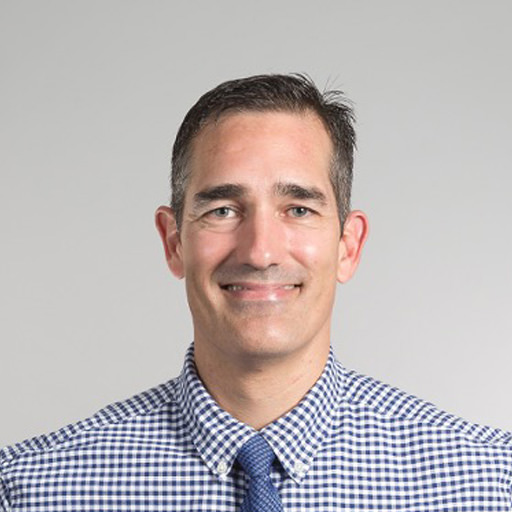
Professor James M. Elliott is an Australian-based physiotherapist, researcher, author, and keynote speaker originally from Chicago. He holds a PhD from the University of Queensland and is currently Director of the Kolling Institute — the oldest medical research institute in New South Wales — and Professor of Allied Health at the University of Sydney and Northern Sydney Local Health District.
Previously a tenure-track Associate Professor at the Feinberg School of Medicine, Northwestern University, James is recognised globally as a leading expert in neck pain, whiplash injuries, and spinal trauma recovery.
His laboratory works at the intersection of MRI imaging, muscle composition, and precision medicine, with collaborative projects spanning 29 countries.
He is also a consultant to NASA, helping develop muscle-mapping tools for astronaut health monitoring. A former professional baseball player with the San Diego Padres organisation and the Colorado Rockies front office, James now plays baseball again on Sydney’s north shore.
His memoir, (dis)Connected: Trauma Is Not Destiny, was published in 2025. He is a non-executive director of SAMSN, the Survivors and Mates Support Network.