Introduction
What happens when death arrives at your doorstep decades before you’re ready? For Dr Merran Cooper, it came when she was just 21 years old, watching her 22-year-old husband battle terminal leukaemia. But rather than breaking her, that experience set her on an extraordinary path that would eventually lead to becoming a doctor at 51 and an entrepreneur in her 60s.
This conversation is for anyone who’s ever wondered how to have difficult conversations with aging parents, what matters most when medical decisions need to be made, or how to keep reinventing yourself in the second half of life. If you’re in that sandwich generation, caring for both kids and parents, this episode will give you practical wisdom you can use today.
Why this matters for midlife men
Most of us avoid thinking about death until we’re forced to. We tell ourselves there’s plenty of time, that these conversations can wait. But as Merran learned the hard way, and now helps others prepare for, the time to have these conversations is before crisis hits. Whether you’re 45 or 65, whether your parents are healthy or declining, understanding advanced care planning isn’t morbid. It’s one of the most loving things you can do for the people who matter most.
Meet Merran
Merran Cooper isn’t your typical doctor-turned-entrepreneur. She started medical school at 50 and then founded Touchstone Life Care to solve a problem she witnessed daily: people dying badly because no one knew what they wanted.
In this conversation, we explore:
- The power of ambivalence – How preparing for dying and hoping for the best aren’t opposites, but can coexist 100% at the same time
- What happened when a chaplain used the “D word” – The conversation that changed everything for Merran and her dying husband
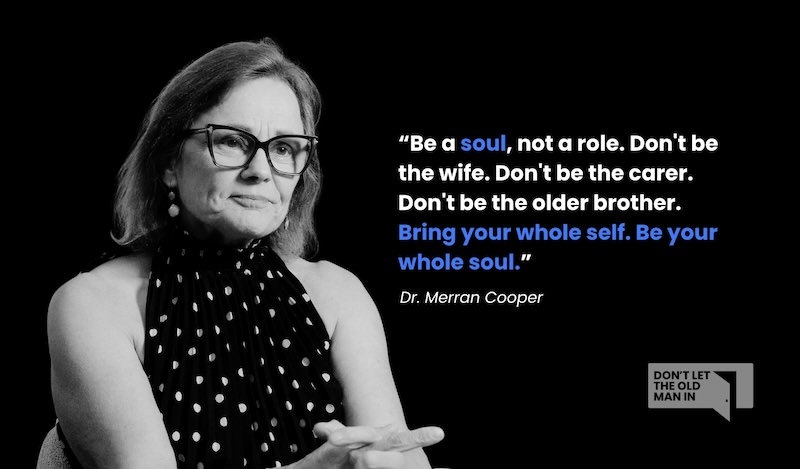
- Why “be a soul, not a role” matters – Especially at someone’s bedside
- The sandwich generation challenge – Practical ways to start conversations with aging parents who don’t want to talk about death
- How to have “the conversation” – Using falls, not death, as your starting point
- Why advanced care planning is a love letter – Not a legal document
- The RSL Club test – How one man defined his minimum quality of life in terms his family could actually understand
- Reinventing yourself after 50 – What it’s like to become a medical student when your daughter is also in first year uni
- The entrepreneur’s journey – From spotting a problem on the wards to building a software solution
- Taking care of yourself first – Why focusing on your own needs isn’t selfish, it’s essential
The bottom line
This isn’t a conversation about dying. It’s about living with intention, having difficult conversations with grace, and making sure the people you love don’t have to guess what you’d want when they’re sitting in that ICU waiting room. Merran’s message is simple but profound: we’re all impermanent, we’re all imperfect, and that’s exactly what gives us permission to have a crack at these hard conversations.
Guest info
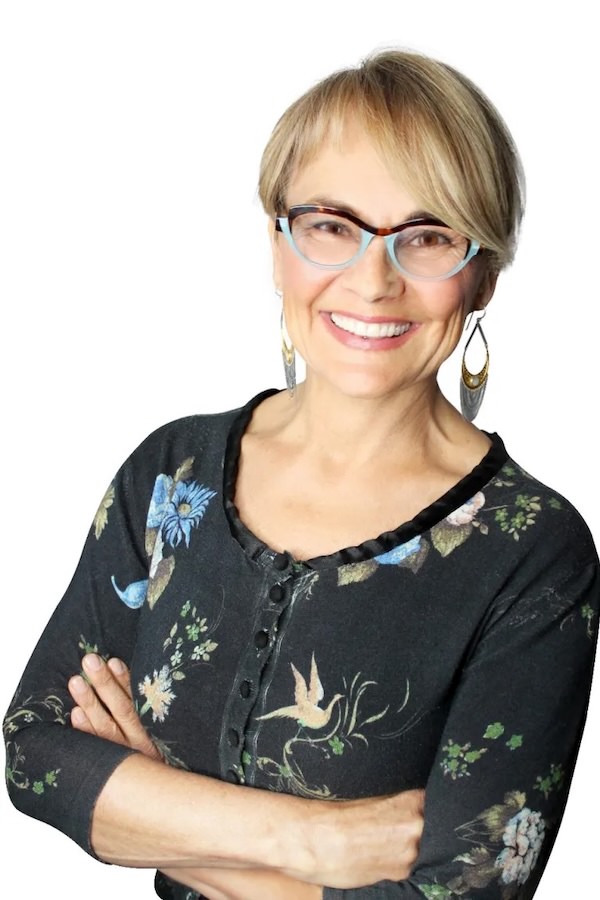
Dr Merran Cooper
Dr Merran Cooper is a palliative care physician, clinical entrepreneur, and founder of Touchstone Life Care.
After losing her husband to leukaemia at 23, Merran spent decades exploring death, dying and grief before entering medical school at 50. She trained as a death doula and worked extensively in intensive care before recognising a systemic problem: people were dying badly because their wishes weren’t known or accessible when decisions needed to be made.
This led her to create Touchstone Life Care, a digital platform that helps people document their healthcare wishes in a way that’s authentic, accessible and actionable.
Now in her 60s, Merran continues to push boundaries, combining decades of clinical experience with technological innovation to transform how we approach end-of-life care in Australia.